Keeping Access to Important Online Services After Changing a Phone Number Overseas
Moving abroad for settlement, study, or work often requires changing your primary phone number. However, disconnecting or canceling an old phone number without thorough preparation can lead to severe consequences: locked bank accounts, lost access to primary email addresses, or an inability to log into essential work applications due to two-factor authentication (2FA) barriers. To maintain seamless and secure access to critical online services, establishing a structured phone number transition process is essential.
Risks of Changing Phone Numbers Overseas and Pre-Departure Preparation
Many users assume that changing phone numbers is as simple as removing an old SIM card and inserting a new one upon arrival in a new country. In reality, modern security architectures rely heavily on phone numbers to deliver SMS verification OTPs.
The Risk of Account Loss From Phone Number Recycling
One of the most overlooked risks is the “number recycling” policy enforced by mobile carriers. Once you cancel a contract or stop topping up account credit for a certain period (typically 30 to 90 days), the carrier reclaims the phone number and reassigns it to a new subscriber.
If your social media accounts, e-wallets, or email accounts remain linked to that old number, the new owner may inadvertently or intentionally receive password reset messages. This not only results in permanent loss of account access, but also exposes you to data leaks and financial security risks.
OTP Barriers with Banks and International Financial Services
Banks and financial institutions enforce the strictest security standards. Many domestic and international banks do not support sending SMS OTPs to foreign phone numbers, or they automatically block transactions if an unexpected geographic location is detected during login.
Furthermore, re-registering a new phone number with your bank while already abroad often requires visiting a local branch in person or undergoing complex video call verification procedures.
A 4-Step Process for Safely Transitioning Your Phone Number Overseas
To avoid being caught off guard, execute this preparation routine at least one to two weeks before permanently disconnecting your old phone number.
Step 1: Audit All Accounts Linked to SMS 2FA
Create a detailed inventory of every digital service you use. Review your phone’s SMS message history to search for previously received verification codes, which helps identify long-forgotten accounts.
Priority account categories include:
- Primary Identity Accounts: Google Account, Apple ID, Microsoft Account.
- Financial Accounts: Domestic banks, e-wallets (Momo, ZaloPay, PayPal), investment accounts.
- Communication & Work Apps: Telegram, WhatsApp, Zalo, LinkedIn, Slack.
- Social Media & Entertainment: Facebook, Instagram, TikTok, Netflix.
Step 2: Switch to TOTP Authenticator Apps or Security Keys
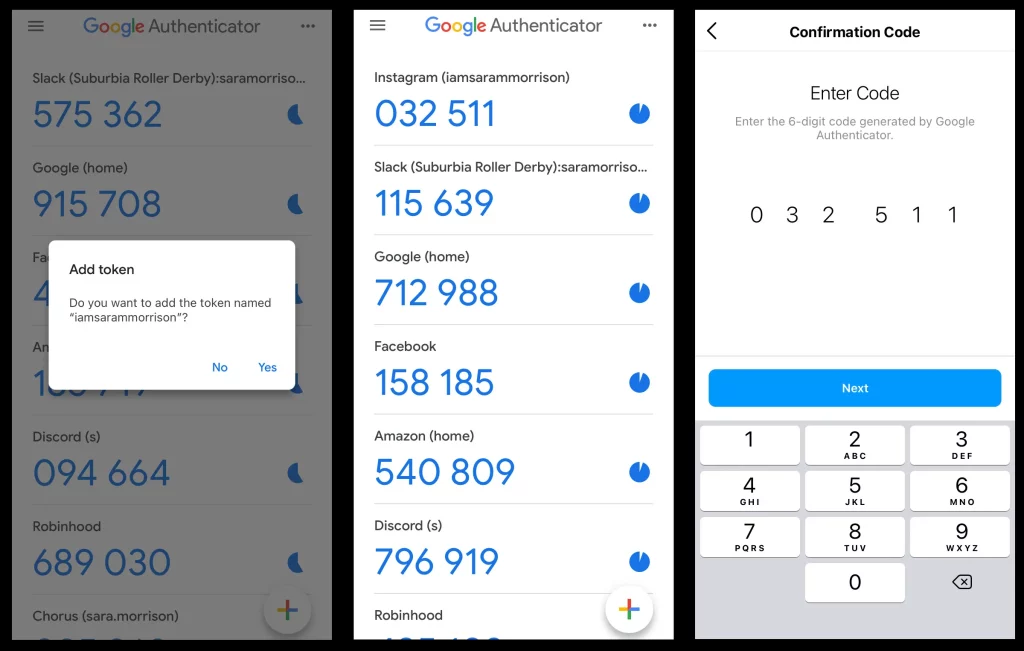
Remove SMS OTP as a primary verification method and transition to authentication tools independent of cellular networks. Time-based One-Time Password (TOTP) authenticator apps such as Google Authenticator, Microsoft Authenticator, or Bitwarden provide an optimal alternative.
These apps generate codes locally on your device, allowing you to retrieve 2FA codes even when your phone has no cellular coverage or is in Airplane Mode. For high-stakes accounts, invest in hardware security keys like YubiKey. Additionally, always download and store offline “Backup Codes” in a secure location outside your primary phone.
Step 3: Keep the Old Number Active via Low-Cost Roaming or Prepaid Plans
Instead of canceling your old SIM immediately, switch to a minimal prepaid plan. Activate international roaming specifically to receive incoming SMS messages (receiving SMS overseas is often free of charge).
This strategy allows you to keep your original SIM active (using a secondary SIM slot or eSIM) for the first 3 to 6 months abroad. This buffer period ensures you can receive unexpected verification codes while settling into your new environment.
Step 4: Update to Your New Number or Virtual Service (VoIP / eSIM)
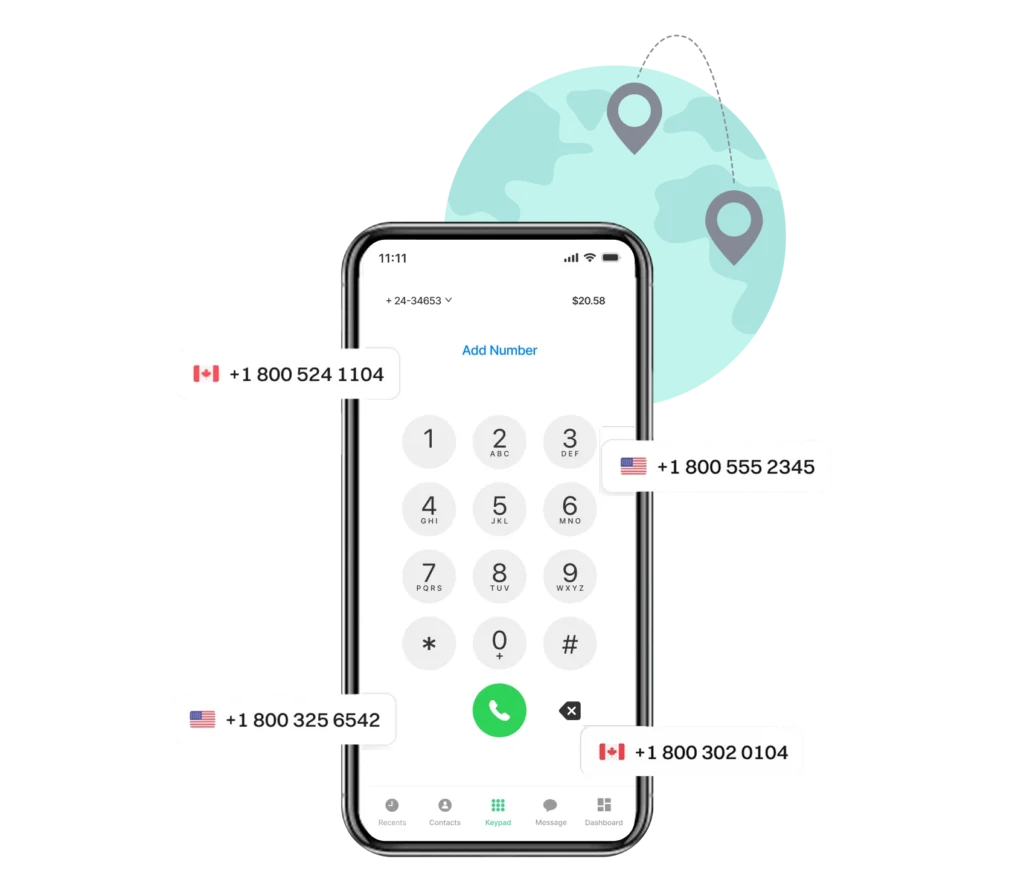
Once you acquire a local phone number in your destination country or set up a virtual service (such as Google Voice for US numbers), update each account systematically.
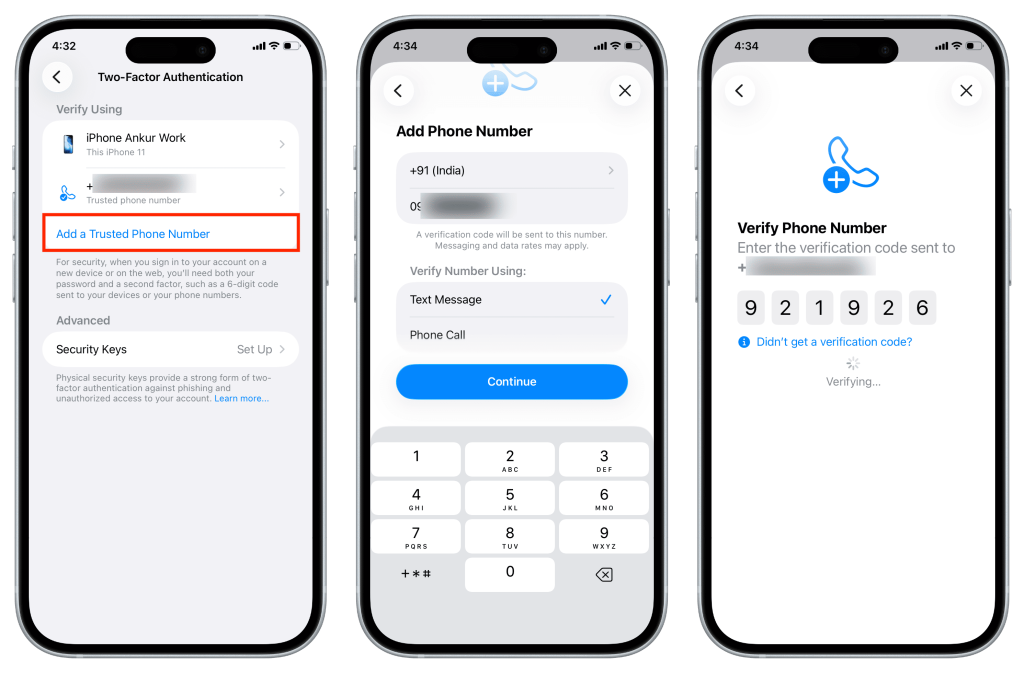
Log into the security settings of each service, add the new phone number, confirm the OTP sent to the new line, and then remove the old number. Test the configuration immediately by logging out and logging back in to ensure the system registered the update successfully.
How to Resolve Account Lockouts While Abroad
If you are already overseas and your old SIM card has lost service or disconnected before you could update your information, follow these recovery steps.
Account Recovery via Backup Email and Backup Codes
Most major platforms like Google, Facebook, and Apple provide a “Try another way” option on their login screens.
If you previously configured a recovery email, the system will send a verification link to that inbox. If you saved backup codes when enabling 2FA, enter one of these one-time codes to bypass SMS verification and access your settings to update your phone number.
Directly Verifying Identity with Support Desks
For banking or financial accounts where SMS OTP cannot be received, contact international customer support directly.
Prepare personal identification documents such as your Passport, national ID, bank card, and recent transaction statements. Some financial institutions will require you to complete a signed change request form or conduct a video verification call to confirm account ownership before updating your registered phone number.
FAQ
Should I use VoIP numbers (Google Voice, Skype) to receive bank OTP codes?
Most major banks and financial institutions explicitly block sending SMS OTPs to virtual VoIP numbers for security reasons. You should use a physical mobile line from a local carrier or utilize the bank’s proprietary Smart OTP app.
How can I maintain a domestic SIM card at minimal cost while living abroad long-term?
Switch your home country SIM to a low-cost prepaid plan with no monthly fee (or a minimal maintenance fee), top up a small amount periodically to extend validity, and enable international roaming before departure to receive free incoming SMS messages.
What should I do if I lose my old SIM card and cannot receive 2FA codes for critical accounts?
Select the “Account Recovery” or “I no longer have access to this phone number” option on the login page. You will need to use a recovery email, answer security questions, or submit a photo of your government-issued ID (Passport/National ID) for manual review by support staff.
Are authenticator apps (like Google Authenticator) affected when changing SIM cards or phone numbers?
No. TOTP authenticator apps operate independently of SIM cards and phone numbers. However, if you switch to a new physical phone device, you must execute the app’s transfer/export process from your old device to your new device before wiping the old phone.